Kagoshima Kurobuta and Tonkotsu Ramen Broth: Exploring Premium Black Pork and Rich Broth in Singapore

December 31, 2025

Kagoshima Kurobuta pork, coming from the renowned black pig breed raised in Kagoshima Prefecture, is celebrated for its tender, juicy texture and rich, savory flavor. Kurobuta pigs were brought to Japan in the 19th century by British diplomats as a gift.

This premium pork, derived from Berkshire pigs, has made its mark in the world of ramen, especially in tonkotsu ramen broth preparations. It is often referred to as 'the Wagyu of pork' due to its exceptional quality. The unique qualities of Kagoshima Kurobuta pork elevate the traditional tonkotsu broth, creating a dish that is both flavorful and soul-satisfying. For those seeking a good deal on premium ramen, dishes made with Kurobuta pork are the hallmark of good ramen, offering an authentic and superior dining experience.

The Legacy of Kagoshima Kurobuta: Black Pork from Kagoshima Prefecture

Originating from Kagoshima Prefecture in southern Japan, Kagoshima Kurobuta pork is prized for its fine muscle tissue and balanced fat content. The pigs are carefully fed a specialized diet that often includes sweet potatoes and potatoes, contributing to the meat's distinctive sweet and savory flavor. This black pork breed, a descendant of Berkshire pigs, is known for its white, firm fat that melts easily, enriching dishes without the greasy aftertaste common in lesser-quality pork or lard.

Characteristics of Tonkotsu Ramen Broth

Tonkotsu ramen broth typically features a creamy texture and concentrated pork flavor that appeals to many ramen enthusiasts. This broth style is generally prepared by simmering pork bones—often neck bones and pork belly—at a rolling boil for extended periods, which extracts gelatin, collagen, and water-soluble proteins from the bone structure. The process usually begins with bones placed in cold water, which may help remove impurities and establish a clean foundation for the broth.

During extended cooking, connective tissues break down, releasing gelatin that contributes to the soup's smooth consistency and characteristic opaque, whitish appearance. Common additions include aromatics such as garlic, miso, and soy sauce, which often enhance the broth's flavor profile, while black garlic oil may provide additional depth. Effective tonkotsu ramen broth balances richness with other flavor elements, with each component contributing to a cohesive result that coats noodles and accompanies various toppings. When served at the appropriate temperature, this broth style transforms basic ramen components into a substantial meal, recognized for its texture, flavor concentration, and warming properties.

Crafting a Good Tonkotsu Ramen Broth with Kurobuta Pork

The foundation of a delicious tonkotsu ramen lies in its broth, and using Kagoshima Kurobuta pork bones—especially neck bones and pork belly—ensures a rich, flavorful base. To achieve a good tonkotsu ramen broth, chefs start by blanching all the bones in cold water to remove coagulated blood and impurities, including water soluble proteins that can cloud the broth. This step, one of a few tricks in the recipe, involves boiling the bones briefly and rinsing them under cold running water to prepare them for cooking. High-quality Kurobuta pork bones are essential for superior flavor in the final broth.

The bones are then returned to the pot with fresh cold water, fully submerged, and cooked at a rolling boil over high heat for 12 hours. This long, vigorous cook extracts gelatin and fat from the bones, turning the broth creamy white and thick with umami. Some home cooks prefer to simmer the broth gently on the lowest setting after the initial boil to develop flavor and maintain clarity. Chilling the broth in the fridge can help clarify it and allows you to observe its qualities as it sets. For convenience, frozen pork bones or pre-made frozen broth can also be used when making ramen at home.

During this process, chefs carefully monitor the heat, occasionally skimming off excess fat to maintain a clean, balanced broth that carries the rich taste of the black pork. In contrast, instant ramen broths are often thin and salty, lacking the depth and tasty richness of authentic tonkotsu. To eat a bowl of true tonkotsu ramen is a deeply satisfying sensory experience, with every bite offering rich, creamy broth and tender pork that make the meal unforgettable.

Regional Specialties

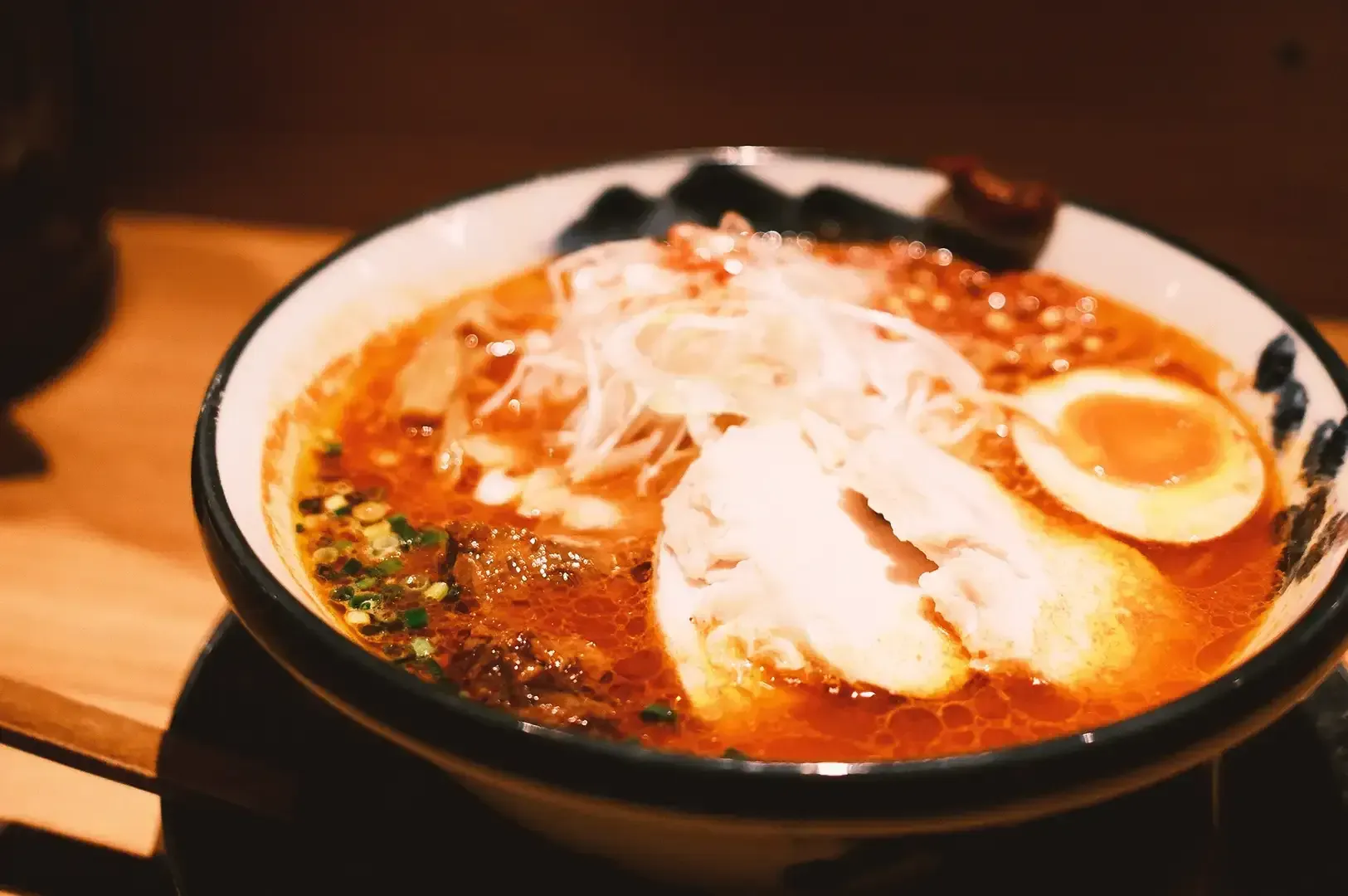
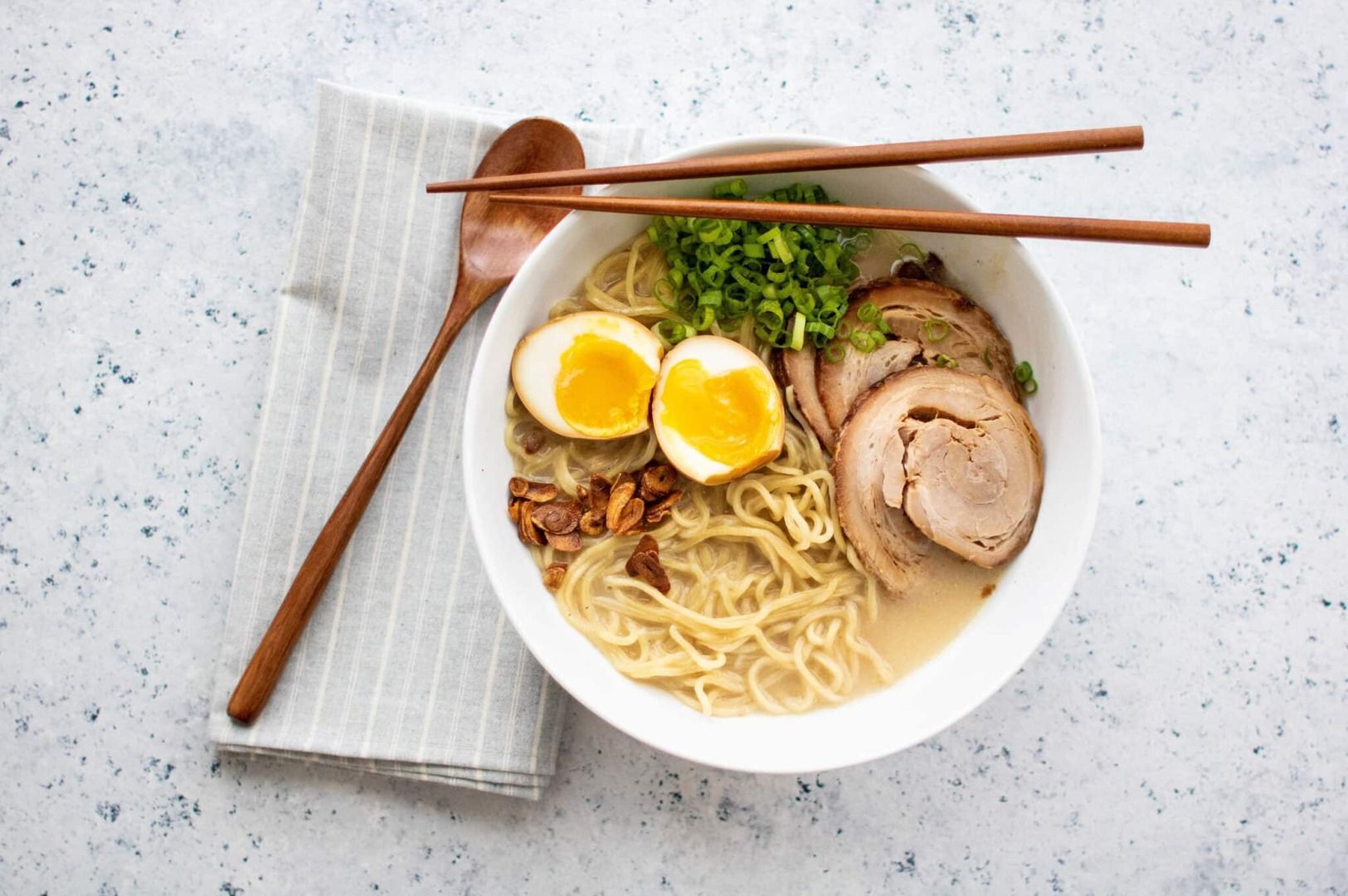
A bowl of Tonkotsu Ramen featuring tender pork slices and a soft-boiled egg, garnished with green onions.

Tonkotsu ramen is a popular specialty of Kyushu, Japan, with each region typically bringing its own variations to this standard dish. In Kagoshima Prefecture, the use of Kurobuta pork—sourced from the local black pig breed—often distinguishes their tonkotsu ramen. The marbling and texture of Kurobuta pork belly may provide the broth with a rich, savory flavor and tender quality that appeals to many diners. This pork, with its fat content and taste profile, reflects the breeding and feeding practices common among Kagoshima's farmers.

Beyond Japan, other notable breeds like black Iberian pig from Spain are also recognized for their quality pork, making them a suitable ingredient for chefs seeking to prepare tonkotsu ramen broth. At ramen ya across Japan, the broth is typically simmered for several hours with pork bones, vegetables, and seasonings, resulting in a flavorful soup that many find satisfying. Each bowl is usually topped with noodles, slices of pork, and various toppings such as boiled eggs and green onions, allowing diners to experience different flavors and textures. Whether served in a ramen ya or prepared at home with quality ingredients, tonkotsu ramen remains a dish that represents the culinary traditions and regional characteristics of Japan.

Tonkotsu Ramen: A Classic Dish Elevated by Kurobuta Pork

Tonkotsu ramen from a ramen ya specializing in Kagoshima Kurobuta pork features a broth that is both rich and refined. The broth’s texture is silky and velvety, with a savory flavor profile that is deeply layered and complex. This is achieved through the careful addition of complementary ingredients such as black garlic oil, miso, soy sauce, garlic, and onion, each contributing unique notes that enhance the natural sweetness and umami of the pork and the broth itself. These toppings and seasonings harmonize perfectly, creating a bowl that is not only deeply satisfying but also balanced in taste and aroma.

The chashu, or braised pork belly, made from premium Kurobuta pork, is a highlight of the dish. Known for its exceptional marbling and tenderness, the pork belly is slow-cooked to perfection, allowing the fat to render gently and infuse the meat with rich flavor. Often served at room temp, this technique preserves the pork’s delicate texture and keeps its juicy, melt-in-your-mouth quality intact. As the pork belly’s luscious fat melts into the broth, it enriches every spoonful with a silky mouthfeel and depth of flavor that distinguishes this ramen from others.

The noodles, traditionally cooked to just the right firmness, act as the perfect vehicle for soaking up the broth’s richness. Their springy texture provides a satisfying contrast to the tender pork and creamy broth, completing this flavorful, hearty meal. Together, the interplay of the savory broth, tender Kurobuta pork, and perfectly cooked noodles creates an unforgettable dining experience that captures the essence of authentic tonkotsu ramen at its finest.

The Role of Kurobuta Pork in the World of Ramen

Kurobuta pork is often compared to the black Iberian pig in terms of quality and flavor complexity. Both breeds produce meat with high fat content that melts in the mouth, enhancing the taste and texture of dishes like ramen. The careful breeding and feeding practices in Kagoshima Prefecture ensure that Kurobuta pork stands out as a premium ingredient, prized by chefs worldwide.

Tips for Cooking with Kurobuta Pork and Tonkotsu Broth at Home

For home cooks eager to replicate the rich flavors of a ramen ya, the key lies in patience and technique. Start by soaking all the bones in cold water, then blanch to remove coagulated blood and impurities. Use neck bones and pork belly for maximum flavor and gelatin content. Maintain a rolling boil for at least two hours, topping up with cold water to keep all the bones submerged.

Add aromatics like onion, garlic, and mushrooms during the last hour of cooking to deepen the broth’s flavor. Season with miso, soy sauce, and a touch of salt to balance the savory and sweet notes. Serve the broth hot with fresh noodles and thin slices of tender Kurobuta pork belly, garnished with black garlic oil for an extra layer of richness.

Conclusion: Experience the Soul of Tonkotsu Ramen with Kagoshima Kurobuta

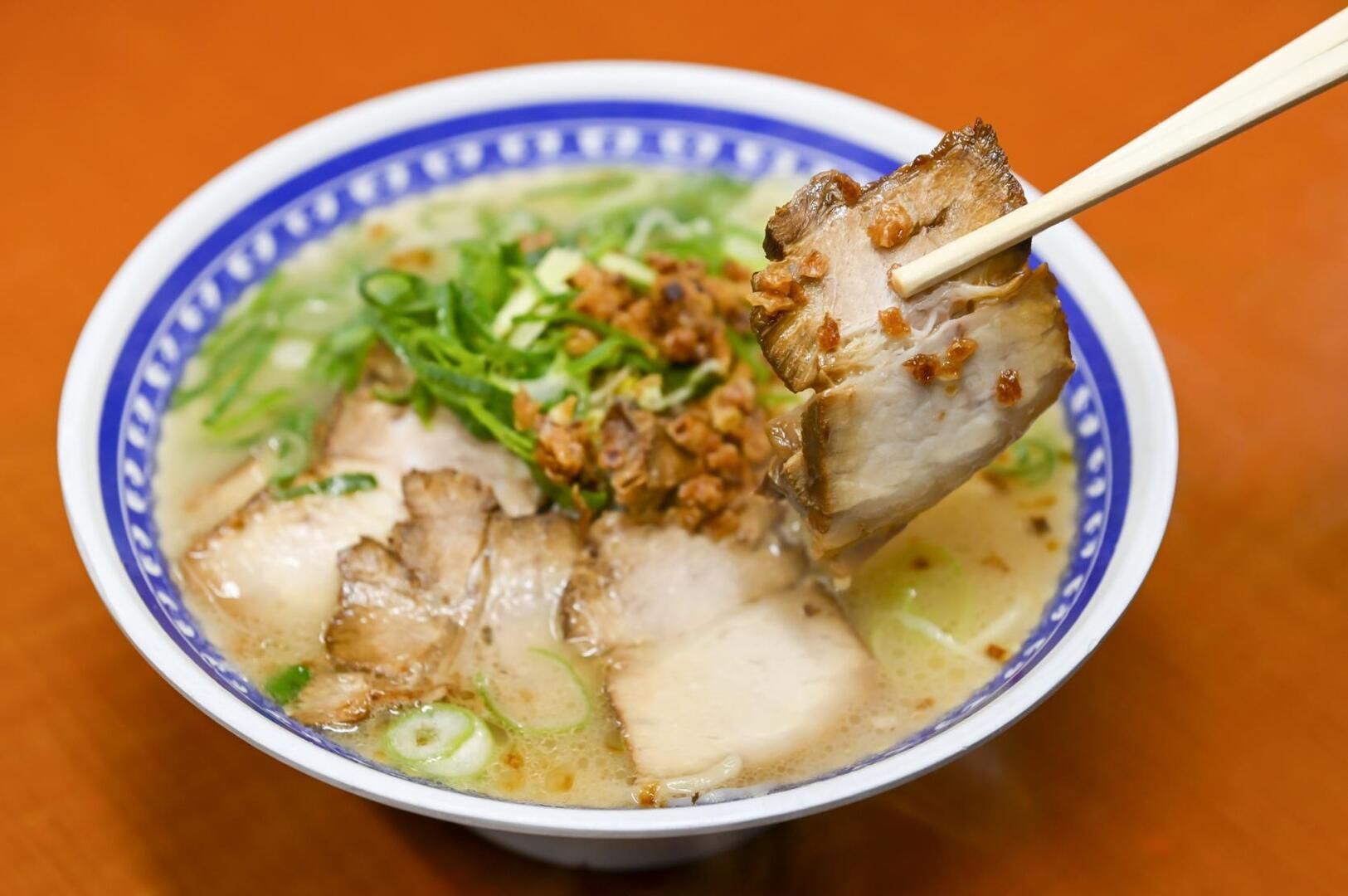
A bowl of Tonkotsu Ramen featuring Kagoshima Kurobuta, topped with meat and fresh vegetables.

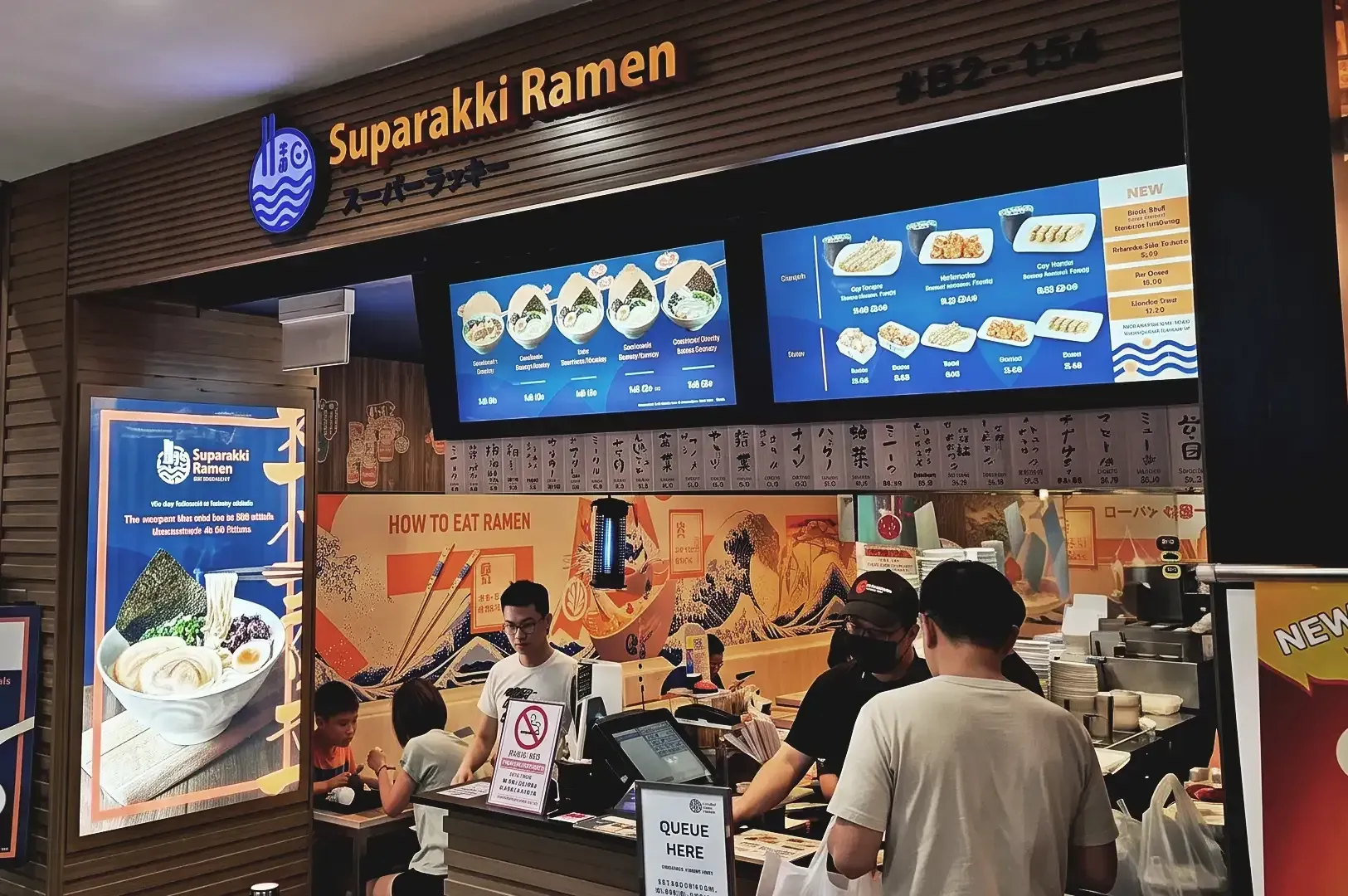
The combination of Kagoshima Kurobuta pork and expertly crafted tonkotsu ramen broth offers a delicious, flavorful bowl that captures the soul of Japanese ramen culture. Whether enjoyed at a specialty ramen ya in Singapore or prepared at home with a good recipe, this dish delivers a rich, satisfying experience that highlights the unique qualities of black pork and the art of broth-making.

Explore the world of tonkotsu ramen and savor the distinctive taste and texture that only Kagoshima Kurobuta pork can provide—a true culinary treasure from Japan’s Kagoshima Prefecture.

Recent Posts

A serving of Hakata ramen featuring meat and eggs, displayed on a rustic table.
By Jillian Garzia January 22, 2026
Discover the best accommodations in Fukuoka's vibrant Tenjin district. Explore unique stays that capture the essence of Cross Life Hakata. Read more!
Patrons gathered at tables in Tipo Strada restaurant, Novena, Singapore.
By Best Ramen Team January 20, 2026
Discover affordable pasta spots in Singapore with our top picks and honest reviews. Savor delicious options without breaking the bank—read more now!
A bowl of Hakata ramen topped with meat and eggs, placed on a wooden table.
By Best Ramen Team January 19, 2026
Experience the rich flavors of Hakata Issou, where you’ll find Fukuoka's best ramen. Dive into our guide for an unforgettable culinary adventure!
A bowl of Hakata Tonkotsu ramen topped with meat and fresh vegetables, showcasing a rich, savory.
By Chloe C.L January 16, 2026
Discover the rich flavors of Hakata tonkotsu ramen in Fukuoka. Explore top spots and what makes each bowl unique. Dive into this culinary adventure!
A steaming bowl of chicken-based ramen sits on a wooden counter, featuring tender slices of chicken.
By Chloe C.L January 12, 2026
Discover the top halal ramen spots in Singapore that offer delicious flavors and unique dishes. Dive into our guide and find your next favorite bowl!
A wooden counter displaying a bowl of ramen from Kyoto, Japan alongside a bottle of beer.
By Jillian Garzia January 11, 2026
Discover the top ramen bowls in Kyoto with our guide. From traditional to unique flavors, find your next favorite dish. Read more to explore!